
Breaking News


Kwaja Promises Marshal Plan for Peace, Security in Plateau
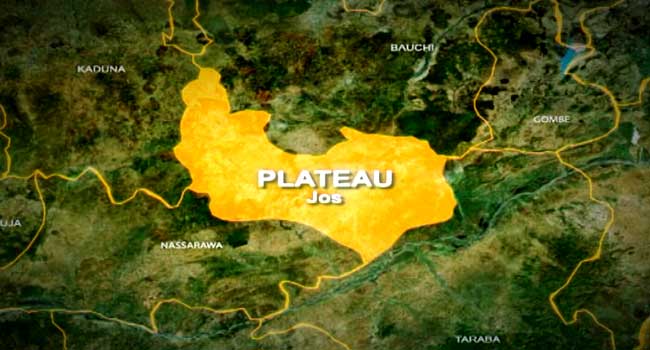
A scholar of International Relations and Strategic Studies and Special Envoy on Peace and Security to the Plateau State Government, Professor Chris Kwaja, has said his decision to contest the Plateau North senatorial seat is driven by a “thorough gap analysis” of the zone’s leadership and the urgent demand for peace, stability, and inclusive representation.
Speaking during an interactive session with journalists in Jos, Kwaja said Plateau North mirrors Nigeria’s diversity, and must be led by someone capable of uniting its ethnic, religious, and political identities. He noted that decades of recurring conflict in the zone have exposed weaknesses in leadership and representation.
According to him, “Leaders-hip must be representational. The biggest challenge a leader will have is when their convening power is questioned and when they cannot bring people from all spheres of life to sit as brothers and sisters.”
Kwaja, a former Commi-ssioner for Local Government and Director of Research in the Governor’s Office, said his experience in academia, civil society, and government has equipped him with the networks and credibility needed to speak for the people.
He emphasised that effective representation goes beyond political rhetoric.
“A senator’s role is not about distributing grinding machines. It is about designing a marshal plan for peace, security, and stability, as well as mobilising the networks necessary to implement it,” he stated.
Kwaja criticised what he described as a pattern of lawmakers limiting their interventions to public con-demnations without engaging the institutions responsible for implementing security directives.
The professor said Plateau North’s persistent insecurity is partly due to a “misalignment” between community needs and the quality of leadership the zone has had. He argued that communities possess the capacity to respond to their own challenges if properly mobilised.
Kwaja said his mantra, ‘Voices’, reflects his belief that mobilizing the collective voices of the people is central to rebuilding trust and restoring stability.
Responding to questions on recurring attacks on students and calls to relocate the University of Jos, Kwaja said the perpetrators are often individuals with no value for education.
“When you don’t value something, you are the first to destroy it,” he said, recalling his experience as a student during the 2001 crisis.
He argued that relocation is not a viable solution, noting that UNIJOS never received a take‑off grant and that the real issue lies in addressing the drivers of insecurity around the campus.
Kwaja proposed intensive community sensitisation, identifying and engaging the religious and community leaders responsible for youths involved in attacks, strengthening intelligence gathering, working with UNIJOS leadership and surrounding communities to create a safer environment.
He added: “These children are not ghosts. “It is easy to track them when communities cooperate.”
Kwaja said his senatorial ambition is anchored on a commitment to place people at the centre of governance, stating that: “The peace and security of Plateau North will be my first focus. It’s about putting the people first.”
He added that his expertise in community vigilance, early warning systems, and peace building gained from years of national and international work would guide his approach to stabilising the zone.


