
Breaking News


Sanwo-Olu at 60: Celebrating Africa’s Force of Nature
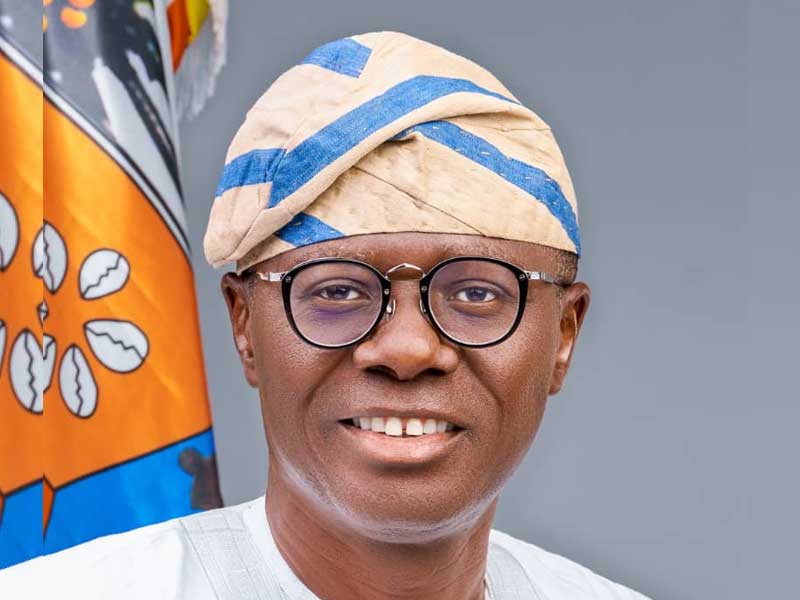
Some governors govern. Babajide Sanwo-Olu listens, walks, builds, reforms, and somehow still finds time to breathe Lagos in and out like it’s part of his circulatory system.
As the Lagos State Governor turned 60 this June, the milestone feels less like a birthday and more like a checkpoint in a marathon of urban transformation.
The city’s rhythm has always been fast, but under Sanwo-Olu, it’s gained structure: rail lines humming through districts, roads stitched across neglected corridors, food markets subsidised and digitised, hospitals raised from blueprints to blocks.
But for all the cement and signatures, it’s the man’s proximity to the people that resonates. A technocrat with the instincts of a town crier, he knows when to speak and when to simply show up.
From #EndSARS to COVID-19, Sanwo-Olu never governed from abstraction. Lagosians saw him in the streets, not just on letterheads.
Under his leadership, the state’s internally generated revenue has soared past 1.3 trillion, and infrastructure (once Lagos’s Achilles heel) is now its résumé. Yet what defines his tenure isn’t just output, but presence. His aides joke that he doesn’t just tour projects; he audits them with his feet.
A new book, The Man Who Carried a City, by Lanre Alfred, immortalises this energy with both charm and candour. It offers not flattery, but a curated reflection of a man wired to his city’s pulse. Chapters like “Lagos in His Lungs” and “The Politics of Listening” reframe governance as intimacy: knowing where the potholes are, and why people are angry when okadas disappear from certain roads.
So yes, there will be speeches, cakes, and camera flashes. But for many Lagosians, Sanwo-Olu’s real celebration happens in traffic that moves, in lights that stay on, in taxes that build rather than vanish.
At 60, Sanwo-Olu isn’t slowing down. He is Lagos’s force of nature: measured not in sound bites, but in sidewalks.


