Breaking News


AI and Small Business Growth: Should Your Small Business Have Its Own Ai Strategy?
Artificial intelligence is progressively being used in this modern era to transform industries, both big and small. It provides immense benefits that make it easier for these industries to scale their performance, achieve capital efficiency, and cut down waste. This tool, once seen as a luxury reserved for big corporations who can afford to pay their way, has now become accessible to all, helping even growing businesses that want to work smarter, not harder.
Despite the numerous benefits that AI offers, small businesses are often reluctant to infuse it into their operations. The main reason for this hesitation is the perceived complexity and potential confusion of their existing processes. Business owners worry that they may lack the technical knowledge to manage AI effectively, and they also have concerns about its impact on jobs and employee acceptance.
However, in recent years, we are beginning to see significant growth in the adoption of AI in the small business sector. A 2023 report by the Small Business and Entrepreneurship Council revealed that 48% of small businesses started using AI in the past year, while 29% (more than half of the previous number), have been applying AI solutions between one and two years. Additionally, it was projected that 83% of small businesses planned to make sizable investments in AI in 2024.
Source: Capterra
Artificial intelligence tools provide small businesses with numerous advantages, including:
● Enhanced efficiency
● Reduced costs
● Improved customer service
● New growth opportunities
However, the fundamental factor to maximise these benefits lies in selecting the tool(s) that is fit for purpose. Picking the right tool from the many available options all comes down to the needs of the business and its activities. Here are some of the areas where AI tools can support.
Recruiting
Reviewing resumes is time-consuming, but AI-enabled tools streamline the process by screening applications and identifying top candidates. A 2023 Stepstone Group study found that 80% of small businesses in Germany struggle to find qualified candidates, often due to a lack of HR departments. With an unemployment rate of 6%, there are great hires available, but selecting the right one can be challenging. Studies indicate that businesses fail to hire the right person 82% of the time.
AI-driven sourcing tools like Seekout, Zoho Recruit, and Manatal help reduce hiring costs and improve candidate selection. These tools analyze applications, rank candidates, and use predictive analytics to determine those most likely to succeed. A 2018 Korn Ferry survey showed that 63% of recruiters found AI transformative, with AI-driven recruitment expected to reach a 60–70% success rate by 2025.

Source: Seekout
Accounting
With Artificial Intelligence tools, small business entrepreneurs are changing the way they manage their finances, leveraging on the benefits of:
● Automation—AI helps them handle repetitive tasks like data entry and reconciliation, thereby reducing manual effort
● Accuracy—AI helps reduce human errors and guarantee a more precise financial record.
● Efficiency—AI helps streamline workflow and hasten data-driven decisions.
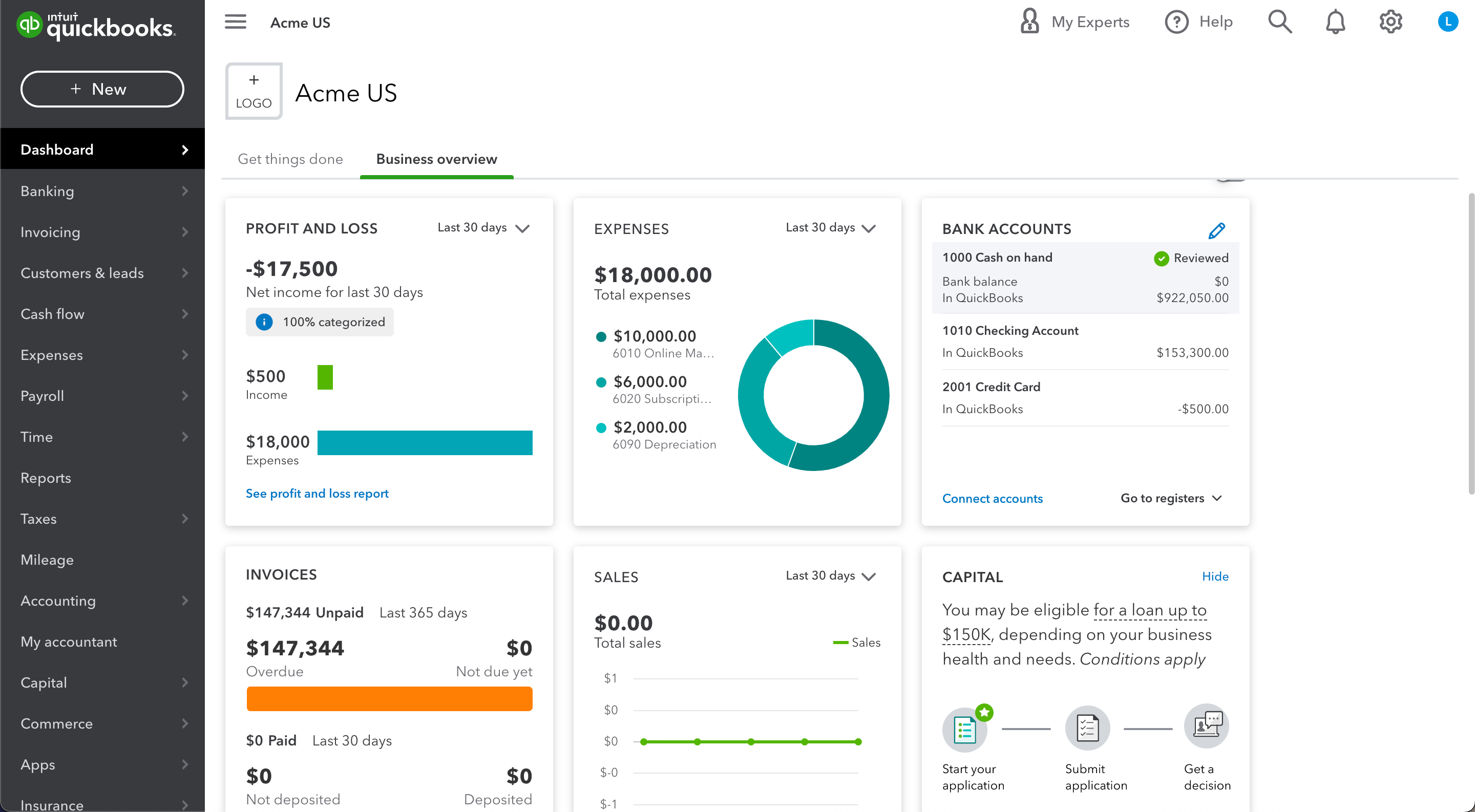
AI is revolutionizing financial management by offering automation, accuracy, and efficiency. It simplifies tasks such as data entry, transaction analysis, and tax preparation, allowing small business owners to focus on strategy. AI also enhances security by detecting unusual transactions and potential fraud.
Top accounting tools like QuickBooks and Xero help businesses operate more efficiently. While AI automates repetitive tasks, human accountants remain essential for strategic planning.

Source: Quickbooks
Customer Service
Customer service is a competitive advantage for small businesses. A ZenDesk survey found that 71% of customers expect better service from small businesses, and 77% are willing to pay more for excellent service. However, providing great support with limited staff is challenging.
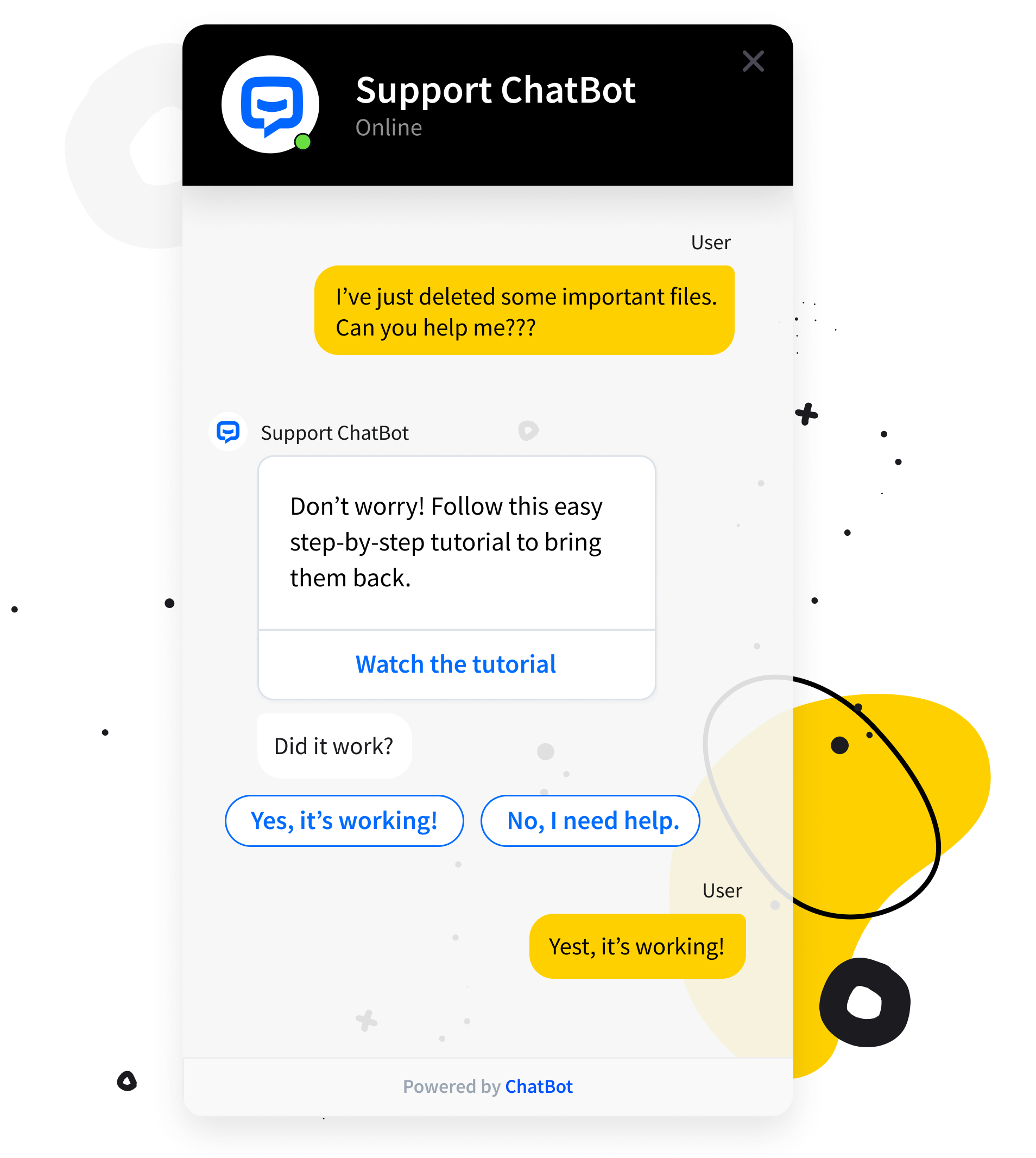
AI-powered chatbots like Drift, Zendesk Chat, and Intercom address this issue by handling inquiries 24/7, retrieving answers, and directing customers to the right resources. If human support is needed, chatbots gather details and route requests efficiently. A Gartner report projected that by 2022, 70% of customer interactions would involve AI-powered technologies, a trend now widely adopted in 2025.

Source: Chatbot
Future Trends in AI Tools for Small Businesses
Technology is evolving, thus giving way to small businesses looking to leverage AI. Let’s look at some advancements in AI tools with promising applications for small businesses.
Ethical AI practices on the rise:
AI adoption is increasingly growing, so small businesses will need to be mindful of data privacy, transparency, and fairness. Tools that provide compliance and clear algorithms will gain trust, as customers expect that their data be handled responsibly. Small businesses that stay ahead of this trend and embrace ethical AI will strengthen operations, positioning themselves as forward-thinking players in the industry.
Voice Interfaces:
The demand for voice assistant technology is at an all-time high. It has become an essential tool for small businesses. With the help of these AI-enabled tools, small businesses can streamline operations such as customer interactions, and appointment scheduling, to mention but a few.
Hyper-Personalisation:
With Artificial intelligence tools, customer experience is becoming more tailored than ever. Small businesses can now use advanced data collection to create marketing campaigns based on individual behaviours and preferences, not just demographics. This analysis allows these businesses to adapt their strategies for better engagement without a hassle.
Smarter Decision-Making With AI:
AI is changing how small businesses make decisions. With tools aimed at helping business owners predict trends andplan strategically, small businesses that tap in early enough would be able to scale their performances and compete with even bigger companies. These tools will become more user-friendly, and even non-technical users will have no challenge in leveraging AI for smarter business decisions.
With small businesses constantly being pressured to do more with less, leveraging these AI tools allows entrepreneurs to focus on growing their businesses rather than being bothered by routine tasks.
As we’ve explored, the right AI tools can really improve small business operations, cut down costs, and turbocharge profits. We’ve looked at how these tools can assist small businesses in simplifying tasks and boosting efficiency, giving them a competitive edge in the marketplace. Ultimately, my advice for small businesses ready to embrace automation is to start by exploring some of the AI solutions covered in this article. And beyond this, there are plenty of other options that can fit your specific needs, just make sure to do your research on what tool works best.
About the Author:
Charles Dairo is an award-winning entrepreneur and the founder of Beezop, an AI-powered software company that helps businesses scale efficiently through automated SOPs and compliance management.